Inside Jupiter's New Gacha Platform: Can It Revive Solana?
By Pratik Bhuyan Updated July 15, 2026

Summary
- Jupiter Gacha went live in beta on July 13, letting users pull real graded Pokémon and One Piece cards tokenized on Solana
- The platform crossed $2M in volume with more than 15,000 packs opened before its first full day was up
- The backend is powered by Collector Crypt, one of the largest onchain collectibles platforms on Solana
Introduction
Jupiter has spent the past two years building itself into Solana's biggest liquidity hub. Swaps, perpetuals, DCA, bridging, launchpads and portfolio management have all become part of its growing product suite. The latest addition, however, is something almost nobody expected.
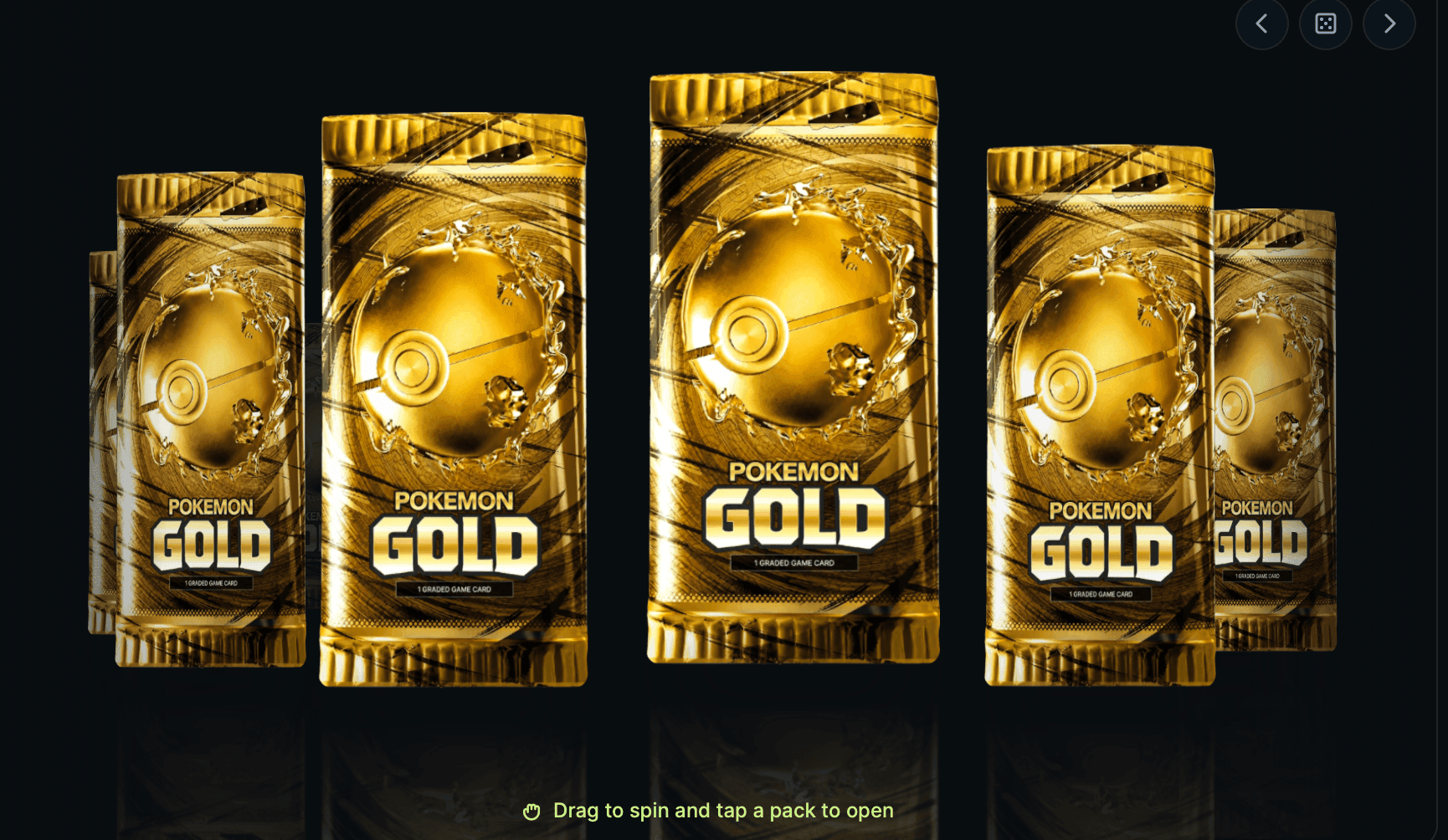
The Solana giant has officially entered the collectibles market through the beta launch of Jupiter Gacha, a new platform built in partnership with Collector Crypt that lets users purchase randomized packs containing tokenized graded Pokémon and One Piece trading cards.
But, isn't Jupiter a DEX? Then why is it selling card packs? Well, we'll unpack all of that below, but the TL;DR version is: this is one of the more interesting things happening on Solana right now, at a moment when the chain badly needs them.
So, What Exactly is Jupiter Gacha?
Jupiter Gacha is essentially an onchain version of opening collectible card packs.
Users purchase a pack using USDC, open it onchain, and receive a randomly assigned graded trading card from supported collections such as Pokémon and One Piece. The physical card itself is professionally authenticated, securely vaulted and represented onchain as a tokenized asset, giving holders ownership of a real collectible instead of just a digital image.
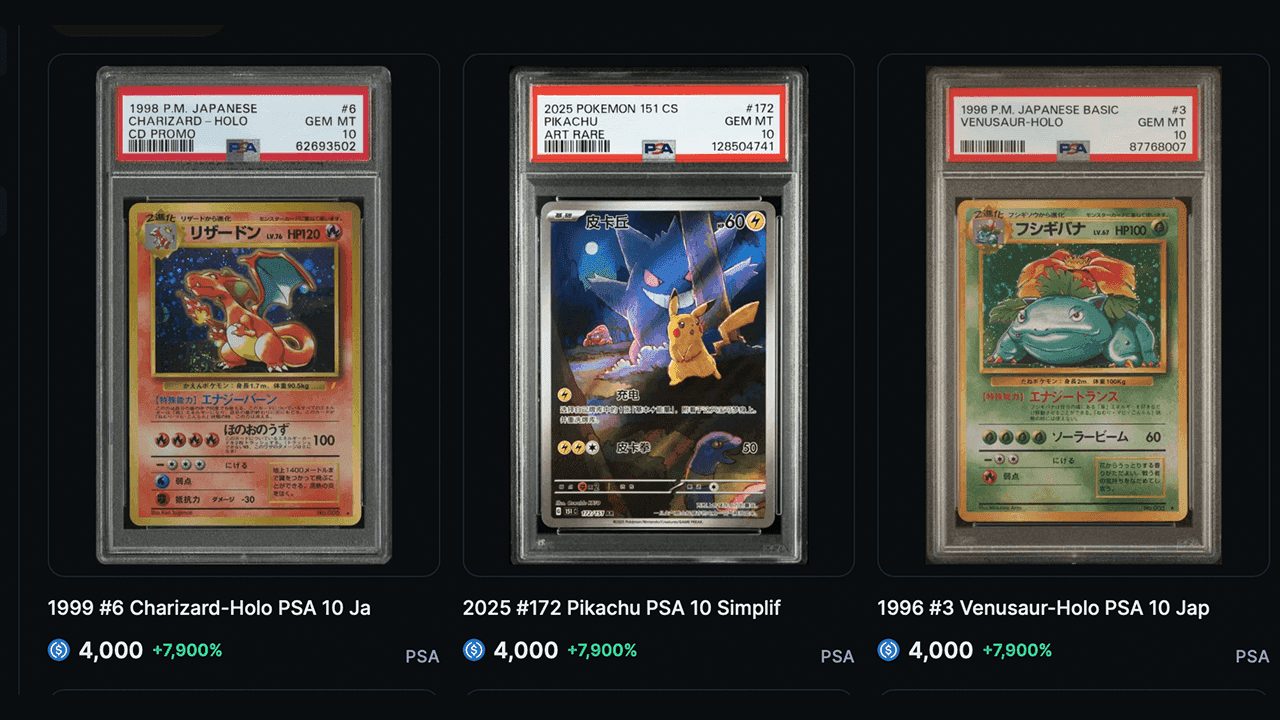
Unlike traditional NFT collections that derive value primarily from community perception, these assets are backed by established collectibles with existing secondary markets and recognized grading standards.
The entire infrastructure is powered by Collector Crypt, a project that has quietly become one of the largest players in the onchain collectibles space.
The Inner Mechanics (Nerdy Version)
Once you open a pack, you have four ways out. You can trade the tokenized card on Jupiter's marketplace, hold it as a collectible, sell it back to the platform through a buyback, or redeem the physical slab and have it shipped. The buyback is the interesting piece for traders: offers are indexed to market data from sources like eBay and ALT, and generally run between 85% and 93% of indexed value. That gives every card a defined floor instead of leaving you to hope someone bids.
The format only works because it's on Solana. Frequent pack opening means a high volume of small transactions, which is prohibitively expensive on higher-fee chains and cheap enough to be a game here. Pack prices are dynamic during the beta, but comparable products price starter packs around $25 to $50 and premium tiers between $100 and $250.
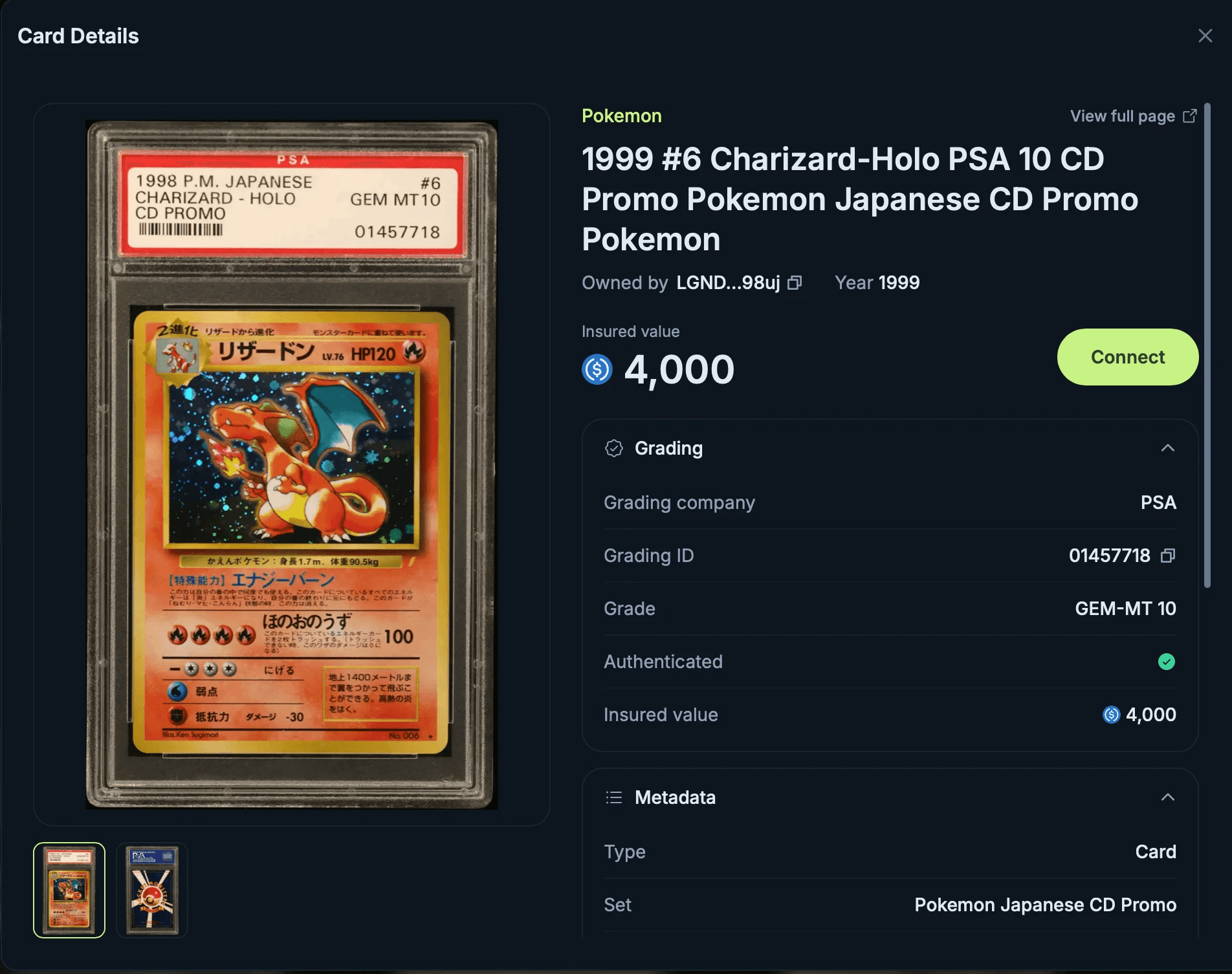
There's one more piece that makes this more than a novelty. Back in June, Jupiter started accepting tokenized graded slabs as collateral on Offerbook, its lending market, letting users borrow USDC against a card without selling it. So a slab you pull today can be traded, borrowed against, or cashed out inside the same app that already handles your spot and perps flow. That vertical integration is the actual pitch.
Why Collector Crypt Matters
The partnership is arguably the more important story than the gacha mechanic itself.
Collector Crypt has already built an ecosystem around tokenized trading cards that has generated hundreds of millions of dollars in cumulative gacha spending. According to platform statistics reported earlier this year, total gacha spending approached $500 million, while weekly spending regularly ranged between $17 million and $27 million, with certain weeks surpassing $50 million in transaction volume across platform activities.
Gacha currently represents roughly 32% of the onchain gacha market, making Collector Crypt one of the clear leaders in the category.
Early Numbers Look Promising
Although the beta has only recently gone live, initial activity suggests there is genuine demand. According to Jupiter, more than 15,000 packs were opened within the first 24 hours, generating over $2 million in transaction volume across Pokémon and One Piece collections.
And with what we've seen thus far, more than 95% of opened cards are eventually sold back into Collector Crypt's marketplace, either immediately through 'Turbo Mode' or manually, creating continuous trading activity rather than assets simply sitting idle inside wallets. That continuous buying and selling is exactly what Solana needs.
Final Thoughts
Jupiter Gacha is certainly one of the more unexpected launches of the year, but it is not as random as it initially appears.
Rather than trying to reinvent collectibles, Jupiter has partnered with one of the sector's most established platforms and integrated a market that already demonstrates substantial spending and trading activity. Early engagement suggests there is genuine curiosity around the product, and the $100,000 beta rewards should further accelerate adoption over the coming weeks.
We have to give Jupiter credit for what it's building: a single consumer gateway to everything users can do on Solana, whether that's swapping tokens, trading perpetuals, or opening a pack in search of a rare Charizard!
Want more info like this directly in your inbox? Subscribe to The Beluga Brief where we break down such trends and a whole lot more!
Join the Beluga Brief
Dive deep into weekly insights, analysis, and strategies tailored to you, empowering you to navigate the volatile crypto markets with confidence.
Never be the last to know
and follow us on X