Top 10 Crypto-Friendly Cities Right Now
By Pratik Bhuyan Updated April 30, 2026

Crypto’s had a rough stretch lately. Governments are tightening rules, and the easy days are clearly over. You've got India, where traders are hit with a flat 30% tax and no loss offsets. Europe’s MiCA framework is tightening oversight and enforcement. The US still taxes every trade like property. Thailand allows trading but restricts using crypto for payments. Even Portugal, once a tax haven, has started taxing short-term gains.
And it’s not just taxes. Entire verticals are getting squeezed. Prediction markets like Polymarket have faced heavy scrutiny, with several US states issuing cease-and-desist orders or treating them as illegal gambling.
Here are 10 cities that still make sense if you are deep in crypto and thinking about a move:
10. San Salvador, El Salvador
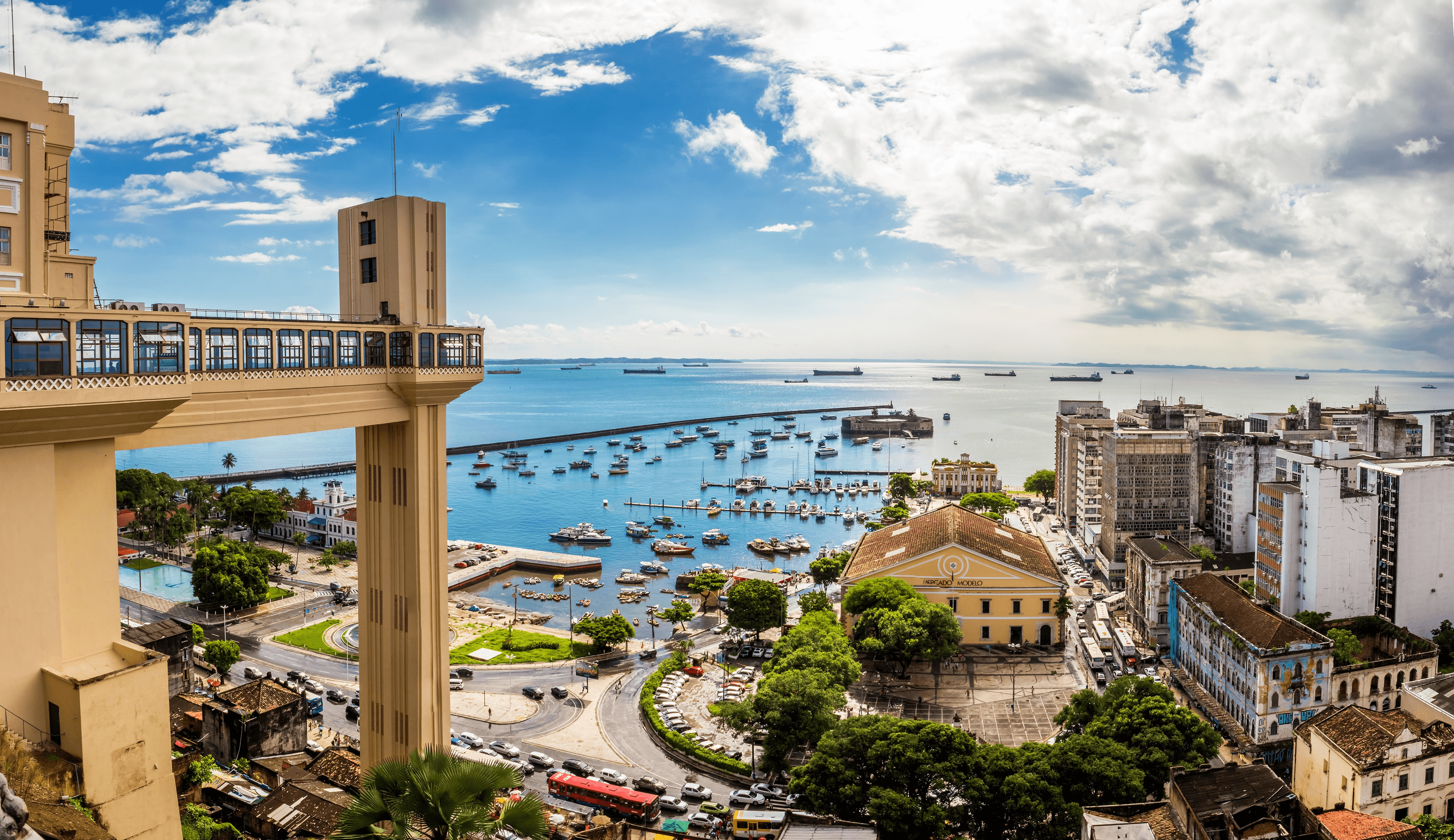
We have to give a shoutout to the nation that made Bitcoin legal tender. El Salvador is the ultimate test case for a country run on crypto. The government has clearly stated that capital gains from Bitcoin and most digital assets are 0% taxed. You can literally pay your taxes and buy property using BTC, which is something most cities can't claim yet. The only catch is that it remains under constant scrutiny from international regulators and the US, so it’s not without its risks.
9. Luxembourg

Luxembourg is quietly emerging as one of Europe’s most serious institutional crypto hubs, with its sovereign wealth fund allocating around 1% to Bitcoin exposure via ETFs, a first for the Eurozone. From a tax perspective, crypto gains are tax-free if held for over 6 months, while short-term profits and activities like staking or active trading are taxed as income.
8. Hong Kong

Hong Kong offers 0% capital gains tax for private investors, meaning your long-term gains are generally not subject to any local tax. The government has been working to clarify its stance, aiming to become a hub for Web3 while maintaining a separate regulatory track from mainland China.
7. Phuket, Thailand

Capital gains in Phuket may be taxed depending on how the activity is classified, but the removal of the 7% VAT on crypto trading in 2024 has improved the landscape. The government has also shown interest in crypto tourism pilots, signaling a more forward-looking approach.
6. Singapore

Singapore takes a tight but predictable approach to crypto, offering no capital gains tax for individuals. However, frequent trading can be classified as income and taxed at rates of up to 24%. With clear regulation and strong banking access, it stands out as a reliable hub. It is best suited for long-term holders and serious operators rather than casual traders. Over 1,200 crypto companies have already set up shop here thanks to the supportive environment.
5. Bali, Indonesia

Bali has become a hotspot for crypto nomads. Crypto trading is legal in Indonesia, though it is not allowed for payments, and transactions are taxed at roughly 0.1% to 0.2%, plus VAT. What really sets Bali apart is its high concentration of builders, traders, and founders. Combined with a low cost of living, it offers strong networking and an active on-ground crypto culture.
4. Miami, USA
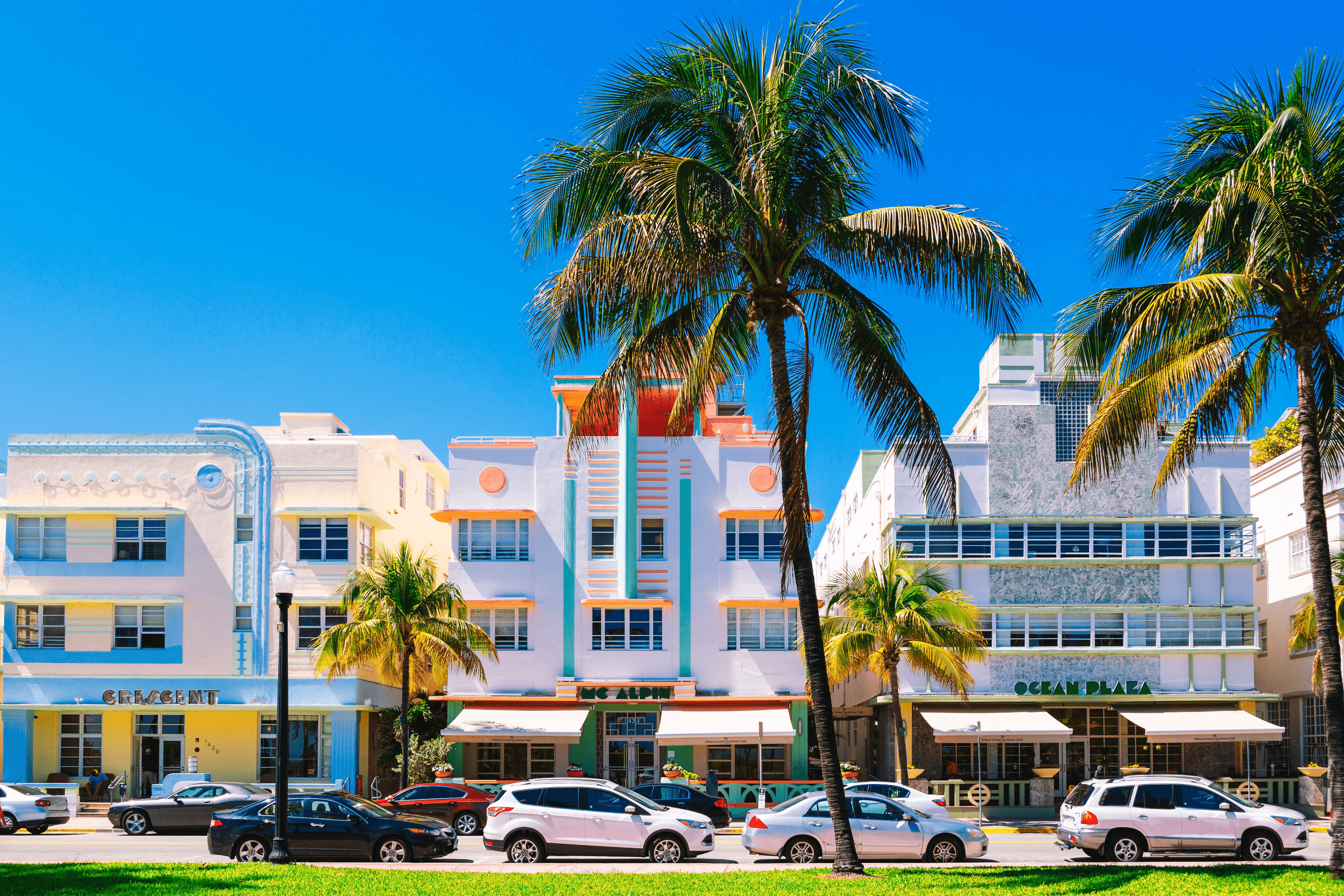
Miami has a mayor who took his entire salary in Bitcoin. That should tell you everything! While there is no state income tax, federal capital gains taxes still apply, so it is not a true tax haven. Its real advantage lies in access to capital, networking, and visibility within the US market. For founders and dealmakers, it remains one of the most strategic locations.
3. George Town, Cayman Islands
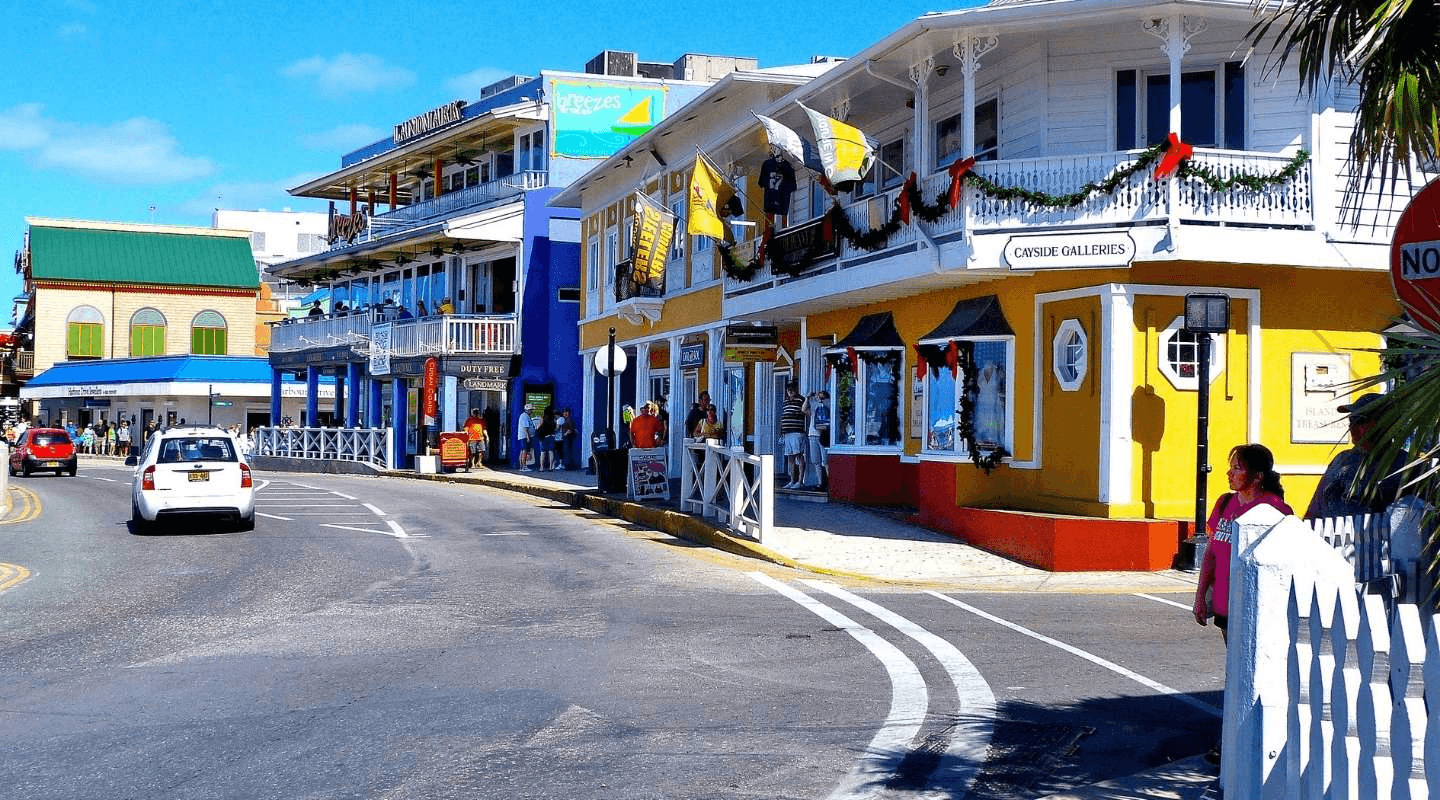
If you want the most aggressive tax neutrality on the planet, the Cayman Islands is the answer. The jurisdiction offers zero corporate tax, zero capital gains tax, zero income tax, and no VAT. There's a small catch, though. Starting in 2026, the Crypto-Asset Reporting Framework (CARF) is being implemented, meaning that although you won't pay taxes, your data might be shared with other countries, if required.
2. Zug, Switzerland

Zug is widely known as Crypto Valley, where much of the industry is actually built. The Swiss have been working with blockchain since 2016 when Zug officially started accepting Bitcoin for municipal payments. Private investors often benefit from 0% capital gains tax, though an annual wealth tax applies to total holdings, including crypto. That's a small price to pay for being surrounded by the Ethereum Foundation and hundreds of serious blockchain startups!
1. Dubai, UAE

Dubai isn’t just crypto-friendly; it’s been actively designed to attract the industry. Individuals benefit from 0% personal income and capital gains tax, while a 9% corporate tax exists but can often be optimized through free zone structures. That means everything from staking to airdrops keeps more money in your pocket. The presence of VARA provides clear regulatory pathways, and hubs like DMCC Crypto Centre continue to draw serious Web3 growth. For those moving capital or building long-term, Dubai remains one of the strongest options.
Honorable Mentions
1. Berlin, Germany
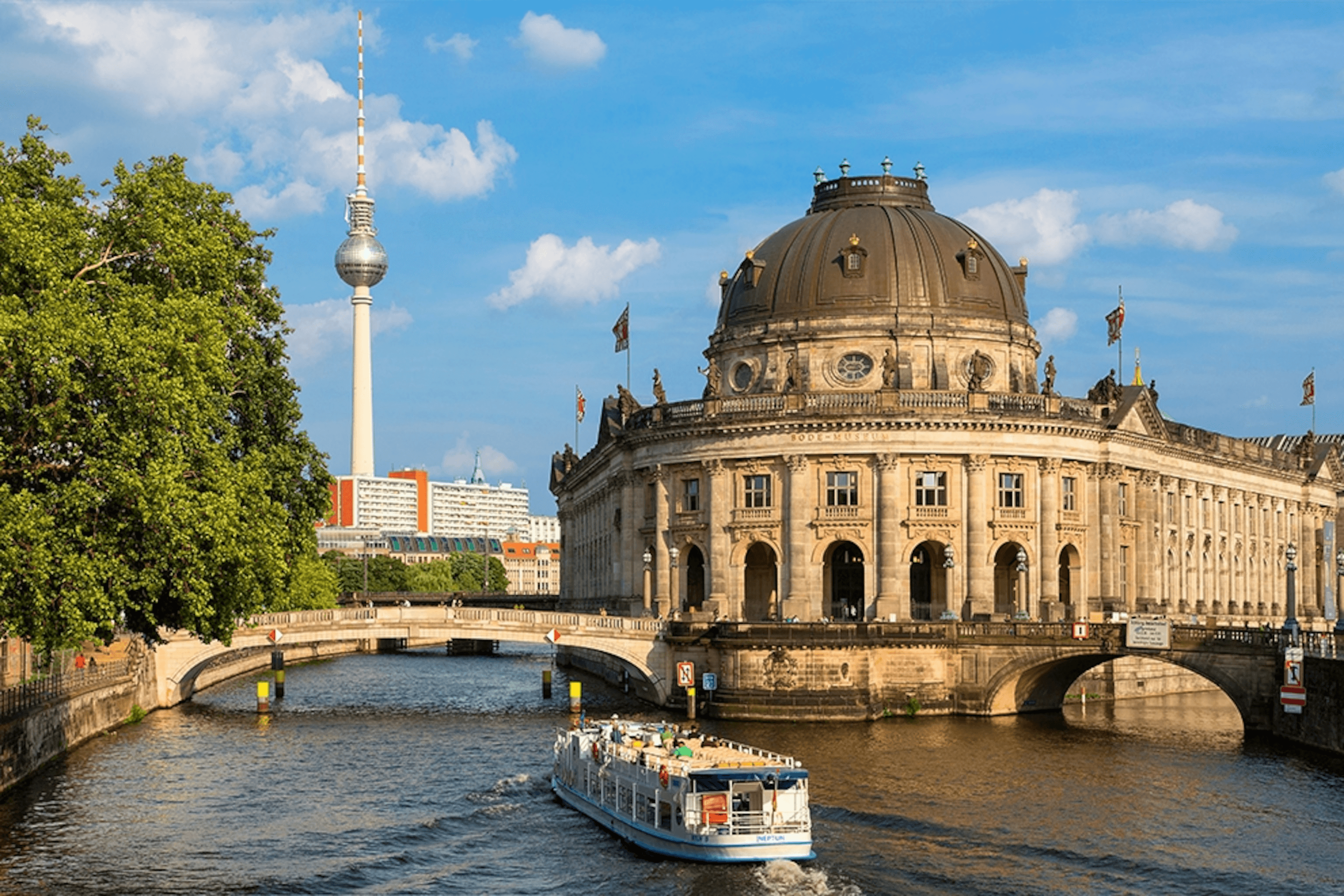
Berlin is especially attractive for long-term crypto holders, as gains are taxed at 0% if assets are held for over one year. There is a nuance though, since activities like staking can extend the required holding period for tax exemption. Beyond taxes, Berlin stands out for its strong developer and open-source culture. It remains one of Europe’s most active hubs for serious builders in crypto.
2. San José, Costa Rica

Costa Rica is an underrated crypto-friendly destination, especially for the digital nomads. It operates on a territorial tax system, meaning foreign-sourced crypto income is often not taxed, though locally sourced or business-related activity can be. There are no specific crypto laws or licensing requirements, but crypto is legal and functions under general commercial frameworks. While it lacks institutional clarity, it offers flexibility, low friction, and strong appeal for globally earning individuals.
And that’s a wrap! If you’re thinking about making a move, let us know on X which ones are on your radar. And if you liked this, check out our other Top 10 on the best crypto influencers to follow in 2026.
Join the Beluga Brief
Dive deep into weekly insights, analysis, and strategies tailored to you, empowering you to navigate the volatile crypto markets with confidence.
Never be the last to know
and follow us on X